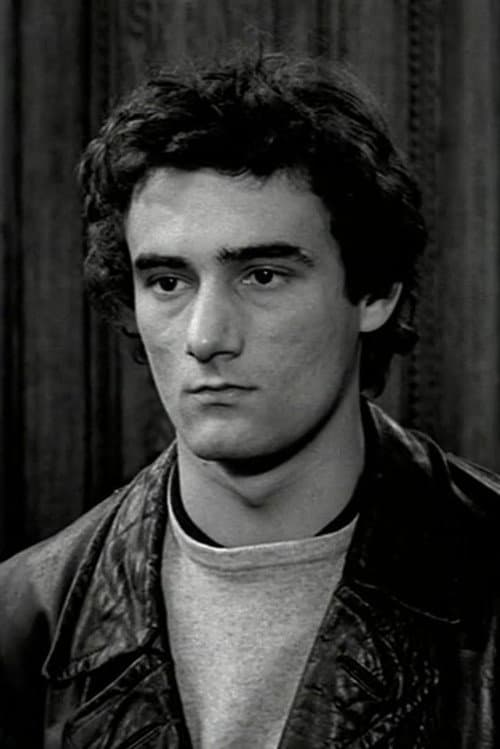
Gábor Bódy
Known for Directing · 3 credits
- Born
- 1946-08-30
- Died
- 1985-10-24
- Place of birth
- Budapest, Hungary
- Also known as
- Bódy Gábor
Biography
Gábor Bódy (30 August 1946 – 24 October 1985) was a Hungarian film director, screenwriter, theoretic, and occasional actor. A pioneer of experimental filmmaking and film language, Bódy is one of the most important figures of Hungarian cinema.
Bódy was born in Budapest, in an urban middle-class family. He studied history and philosophy at Loránd Eötvös University and later filmmaking at the Academy for Theater and Film Arts. During his university days he became an influential member of the Béla Balázs Stúdió (BBS). He made his first film A Harmadik (The Third) (a documentary about students preparing an adaptation of Faust on stage) in 1971. He established various experimental and avantgarde projects at BBS including the Film Language Series in 1973 and the K/3 experimental film group in 1976, reshaping the postwar Hungarian avantgarde film's path.
In 1975 he completed his debut feature at BBS, which was also his graduation thesis film at the university. Amerikai Anzix (American Torso) won the Grand Prize for best new filmmaker at International Filmfestival Mannheim-Heidelberg and the Hungarian Film Critics prize for best first film. The film which depicts the lives of Hungarian 1848 Revolution veterans in the American Civil War features Bódy's experimentalism at the fullest. The whole film was re-edited using his own method called "light editing" in order to make it resemble a wracked silent film from the late 19th century.
His next feature Nárcisz és Psyché was the largest-scale Hungarian production of its era. This epic production based on Sándor Weöres's poetic work Psyché starred Patricia Adriani, Udo Kier and György Cserhalmi and exists in three versions: an original 210min two part version, a 136min version for foreign distribution and a 270min three part television version. In 1980 Bódy began to work on the first international video magazine INFERMENTAL and managed to publish the first of 10 issues (plus one special issue) while on a residency at DAAD Berliner Küunstlerprogram in 1982. The series published featured a range of guest editors and in total included work from over 1500 artists from 36 countries and was published up to 1991.
After many frustrated projects Bódy managed to complete what was to become his final feature film Kutya éji dala (Dog's Night Song). Bódy cast himself as the lead in this ambitious and influential feature which incorporated Super8 and video footage as well as a range of Hungarian underground punk bands (Galloping Coroners, Trabant) of the time in order to a film "deeply rooted in the fundamentals of today's reality."
Known For
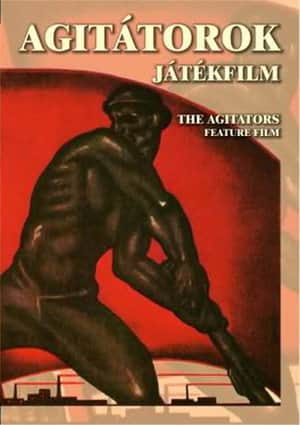
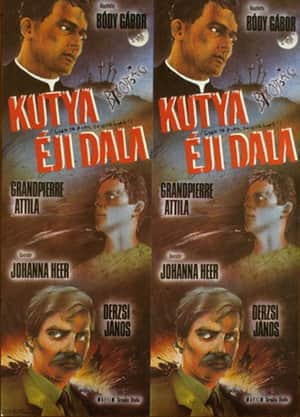
Movies (3)
About Gábor Bódy
Gábor Bódy (30 August 1946 – 24 October 1985) was a Hungarian film director, screenwriter, theoretic, and occasional actor. A pioneer of experimental filmmaking and film language, Bódy is one of the most important figures of Hungarian cinema. Bódy was born in Budapest, in an urban middle-class family. He studied history and philosophy at Loránd Eötvös University and later filmmaking at the Academy for Theater and Film Arts. During his university days he became an influential member of the Béla Balázs Stúdió (BBS). He made his first film A Harm… With 3 credits spanning from 1971 to 1984, Gábor Bódy has appeared in 3 films and 0 TV shows.
Fans searching for Gábor Bódy movies, Gábor Bódy filmography, or the latest projects starring Gábor Bódy can stream many of these titles on Bowood.TV, free and in HD, with no subscription required.
Most Popular Gábor Bódy Movies
- The Agitators (1971) — as Botos
- Point of Departure (1984)
- Dog's Night Song (1983) — as A pap
Where to Watch Gábor Bódy Films
Most Gábor Bódy movies and series are available to stream on Bowood.TV in full HD, completely free and without signup. Browse the complete filmography above to jump directly to any title. For more films and the latest web series featuring Gábor Bódy, check our movies catalogue and browse page.