The Future Is Wild
“200 MILLION YEARS IN THE FUTURE.”
We checked 8 streaming services in India on 22 Jul 2026 at 04:07 IST
About
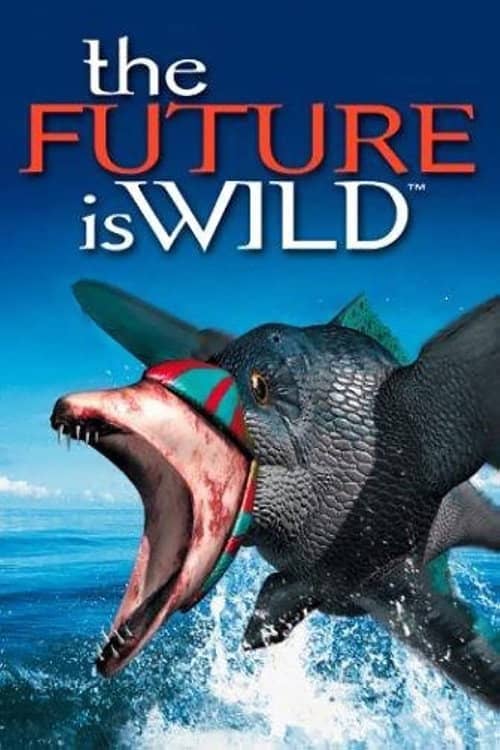
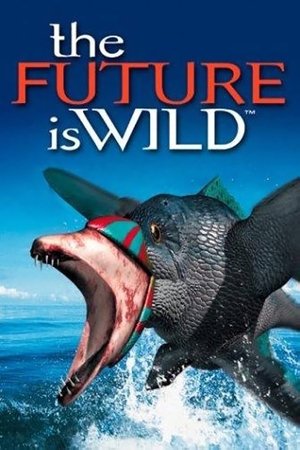
The Future Is Wild was a 2002 thirteen-part documentary television miniseries. Based on research and interviews with several scientists, the miniseries shows how life could evolve in the future if Homo sapiens left the earth. The version broadcast on the Discovery Channel modified this premise, supposing instead that the human race had completely abandoned the Earth and had sent back probes to examine the progress of life on the planet. The show took the form of a nature documentary. The miniseries was released with a companion book written by geologist Dougal Dixon, the author of several "anthropologies and zoologies of the future", in conjunction with natural history television producer John Adams. For a time in 2005, a theme park based on this program was opened in Japan. In 2008 a special on the Discovery Channel about the development of the video game Spore was combined with airings of The Future Is Wild. A film version of the series was picked up by Warner Bros.
Cast
Seasons
Episodes
Season 1
Welcome to the Future
The opening episode serves as an introduction to the series, featuring many clips from later episodes and giving an overview of the series. It opens by discussing which animals (such as the big cats and bears) will disappear in a few thousand years and explains that evolution will continue. It is also the only episode to touch upon the absence of humans in the future. It does not, however, explain what will have happened to the human race. The creators said that it was up to the viewers to make their own assumptions about the fate of mankind.
Return of the Ice
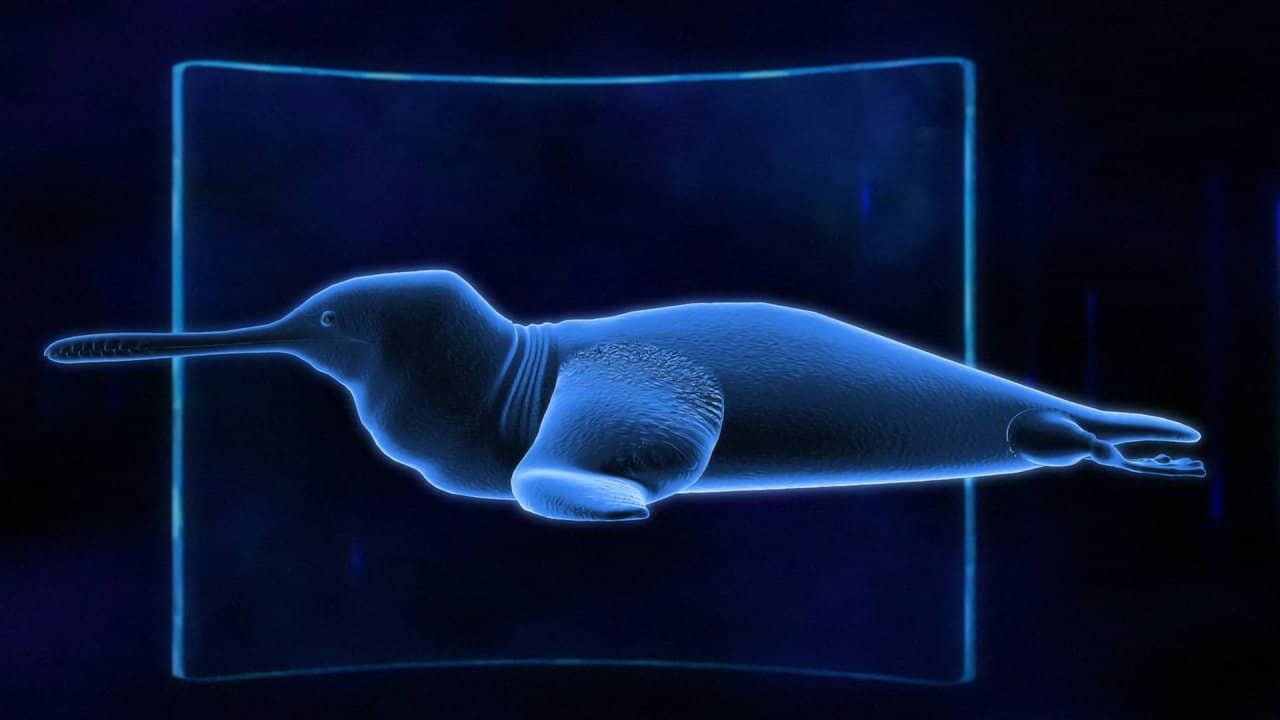
The episode is set in North Europe, 5 million years into the future. The episode focuses on three hypothesized species: (1) Shagrat, a descendant of the marmot that has grown in size and developed thicker fur and a smaller nose to protect it from the cold; (2) Snowstalker, a descendant of the wolverine that has evolved sabre-teeth and white fur for camouflage; (3) Gannetwhale, a descendant of the gannet which has grown to immense size to replace the sea mammals. The episode explains that the onset of the ice age was very fast, so many animals died out. The ones that did survive had to have quick generations so they evolved fast. This is why rodents were successful. The episode follows the story of a female Snowstalker teaching her cubs to hunt, the Gannetwhale's breeding season and the mass migration to the south of the Shagrats.
The Vanished Sea
The episode is set in what was the Mediterranean sea in 5 million years time. It features four species: (1) Cryptile, a lizard with a sticky frill to catch flies which it can then lick off at its leisure; (2) Scrofa, a descendant of the wild boar which has developed spindly legs to allow it to live on the rocky islands in the desert; (3) Gryken, a descendant of the pine marten which hunts Scrofa in the cracked rocks of the landscape; (4) brine flies (live-acted). Before this time in the future, the tip of Africa has collided with the southern tip of Spain, thus enclosing the Mediterranean inland. It has since dried up to become an enormous salt desert with a few lakes of ultra-saline water, as it was during the Messinian salinity crisis. The holiday islands that used to be in the sea are now mountains scattered throughout the desert.
Prairies of Amazonia
The episode is set in South America where the Amazon used to stand in 5 million years time. It features three species: (1) Carakiller, a descendant of the mountain caracara which has evolved to replace land predators; (2) Babookari, a descendant of the uakari which lives like baboons and has discovered how to catch fish; (3) Rattleback, a descendant of an agouti which has developed tough armour and can live through quickly-passing grass fires. This episode shows that due to the cooling of the planet, the Amazon rainforest has vanished and has been replaced by grassland. Most primates have died out but the Babookari has evolved to live on the plains. They have also become much cleverer and can now make nets out of twigs to catch fish. There is also the rattleback, a heavily armoured rodent which is somewhat fireproof, and lives on a diet of Carakiller eggs, grass stems, and tubers. The episode also shows the biggest danger to these animals - fire.
Cold Kansas Desert
The episode is set in North America, 5 million years into the future. The episode focusses on three species: (1) Deathgleaner, a massive carnivorous false vampire bat that spends the day hunting for prey in the desert and spends the night in a communal roost; (2) Spink, a descendant of the quail whose wings have become digging blades. The species lives much like the naked mole-rat of our time; (3) Desert Rattleback, a descendant of the agouti, when lives in the cold regions. The episode explains that the onset of the ice age caused the agricultural belt of the USA to turn into a desert where temperatures at night regularly reach freezing. The episode shows how the animals have evolved to cope with the harsh features of this forbidding landscape.
Waterland
The episode is set in the Bay of Bengal, 100 million years into the future. The episode focuses on three species: (1) Toraton, a descendant of the giant tortoise and the largest creature ever to walk the Earth. They can weigh up to 120 tonnes; (2) Swampus, a descendant of the octopus which has formed a symbiotic relationship with a plant to house its young. They are very intelligent; (3) Lurkfish, a descendant of the electric catfish that can fire up to 1000 volts to stun prey. They are ambush predators. The episode shows that at this point of the future, volcanoes are belching out copious amounts of greenhouse gases causing the planet to overheat. It shows how swampus breed and how toraton have evolved to cope with their new size.
Flooded World
The episode is set in shallow seas of Paris, 100 million years into the future. The episode focuses on three species which all live together: (1) Ocean Phantom, a type of portuguese man-of-war that can grow to ten metres in diameter; (2) Reef Glider, a descendant of the sea slug which hunts ocean phantoms. The young, however, are prey to the ocean phantom; (3) Spindle Trooper, sea spiders that live in chambers on the Ocean Phantom and protect it from danger. The Ocean Phantom in return feeds it. This episode focuses on the extinction of the coral reefs and their replacement with red algae reefs. It shows how this food chain works and how the animals have evolved together. It also shows how Ocean Phantoms can be ripped apart by a severe storm but still carry on living.
Tropical Antarctica
The episode is set in Antarctica, 100 million years into the future. The episode focuses on five species: (1) Roachcutter, a descendant of an undisclosed sea bird and one of the first species to colonise Antarctica. It feeds on the insects of the forest and flies incredibly fast and with brilliant agility; (2)Falconfly, a descendant of the wasp which preys on the Roachcutter and other birds; (3) Spitfire Bird, a descendant of an undisclosed sea bird which collects chemicals from flowers of the Spitfire tree which it then spits at enemies such as the Falconfly; (4) Spitfire Beetle, a beetle or mantis that gathers in groups of four to take on the appearance of a Spitfire flower; (5) False Spitfire Bird, an undisclosed sea bird that looks almost identical to the other spitfire bird but cannot fire chemicals. At this point in the future, Antarctica has moved so far north it is now on the equator and has grown a tropical jungle.
Where does The Future Is Wild rank today?
The Future Is Wild is #7423 on the Bowood.TV Daily Streaming Charts today.
- Highest: #7423
- Top 10: 0 days
- Top 100: 0 days
Watch The Future Is Wild Online Free — All Episodes in HD
If you've been searching for The Future Is Wild all episodes in HD, Bowood.TV has you covered. This well-rated English documentary title from 2002 is available to stream instantly — no ads to fight through, no paid subscriptions, no annoying redirects.
About The Future Is Wild
“200 MILLION YEARS IN THE FUTURE.”
The Future Is Wild was a 2002 thirteen-part documentary television miniseries. Based on research and interviews with several scientists, the miniseries shows how life could evolve in the future if Homo sapiens left the earth. The version broadcast on the Discovery Channel modified this premise, supposing instead that the human race had completely abandoned the Earth and had sent back probes to examine the progress of life on the planet. The show took the form of a nature documentary. The miniseries was released with a companion book written by geologist Dougal Dixon, the author of several "anthropologies and zoologies of the future", in conjunction with natural history television producer John Adams. For a time in 2005, a theme park based on this program was opened in Japan. In 2008 a special on the Discovery Channel about the development of the video game Spore was combined with airings of The Future Is Wild. A film version of the series was picked up by Warner Bros. Across 1 season and 13 episodes, originally airing on Animal Planet.
The Future Is Wild Cast and Characters
The cast features Christian Rodska (as Narrator). Their performances are a major reason The Future Is Wild has built such a passionate audience.
Where to Watch The Future Is Wild Online
Want to watch The Future Is Wild online without paying? Bowood.TV is the easiest way. Click play and the series starts in seconds. No popups, no "5 day trial that auto-charges" — just the show.
▶ Watch The Future Is Wild NowWhy People Are Watching The Future Is Wild
There's a reason The Future Is Wild keeps showing up on "must-watch" lists. What makes it work is a tone and style that's hard to find elsewhere. If you enjoy English storytelling that doesn't follow the same tired beats, this is the kind of show you'll end up recommending to friends.
Frequently Asked Questions about The Future Is Wild
Where can I watch The Future Is Wild online for free?
You can watch The Future Is Wild online free on Bowood.TV. Just open the page and hit play — no signup, no subscription, full HD streaming on phone, tablet, or desktop.
How many episodes does The Future Is Wild have?
The Future Is Wild has 13 episodes across 1 season. All episodes are available to stream right here on Bowood.TV.
Is The Future Is Wild good? What's the rating?
The Future Is Wild holds a 7.5/10 rating based on 17 reviews — well above average.
Who is in the cast of The Future Is Wild?
The main cast includes Christian Rodska.
Is The Future Is Wild available in English?
Yes — The Future Is Wild was originally produced in English and that's the version you'll stream here on Bowood.TV.
When was The Future Is Wild released?
The Future Is Wild first aired in 2002.
Do I need an account to watch The Future Is Wild on Bowood.TV?
No. Bowood.TV is free and you can watch The Future Is Wild without creating an account. Sign-up is optional — only useful if you want a personal Watchlist or to comment on episodes.
Frequently Asked Questions
Where can I watch The Future Is Wild for free?
You can watch The Future Is Wild online for free on Bowood.TV. All 13 episodes across 1 season are available to stream in HD without a subscription, signup, or paywall. Just open the show page and press play.
How many seasons and episodes does The Future Is Wild have?
The Future Is Wild currently has 1 season and a total of 13 episodes. The series status is "Ended", so the episode count may grow as new seasons are released. You can browse the full episode list on Bowood.TV and continue watching from where you left off.
What is The Future Is Wild about?
The Future Is Wild was a 2002 thirteen-part documentary television miniseries. Based on research and interviews with several scientists, the miniseries shows how life could evolve in the future if Homo sapiens left the earth. The version broadcast on the Discovery Channel modified this premise, supposing instead tha… It belongs to the Documentary genre.
In which language is The Future Is Wild originally available?
The Future Is Wild was originally produced in English. On Bowood.TV the show is available in its original English audio, which is the most authentic way to experience the dialogue, music, and performances. Check the player options on the watch page for available subtitle tracks.
When was The Future Is Wild first released?
The Future Is Wild first premiered on April 2, 2002 (2002). The series has since concluded its run.
💬 Comments
Join the conversation
Share your thoughts, rate episodes, and connect with other fans
Hey everyone! 👋 Welcome to the discussion.
Feel free to share your thoughts about this series — what did you love, what surprised you, which episodes are your favorites? 🎬
Got ideas for what we should add to Bowood.TV? Want to suggest a series? Drop it here! We read every comment ✨
Recommended for You
Based on this series